Source Mountain Bike Bicycle Suspension Fork for MTB, Road, Kids
Explore 30 listings for mountain bike bicycle suspension fork options including oil and gas or spring types. Compare specifications like 100mm travel, 28.6mm stanchions, and sizes from 20 to 29 inches. Source customizable steel or alloy components from Hebei suppliers for various bicycle applications.
Key considerations
Products List


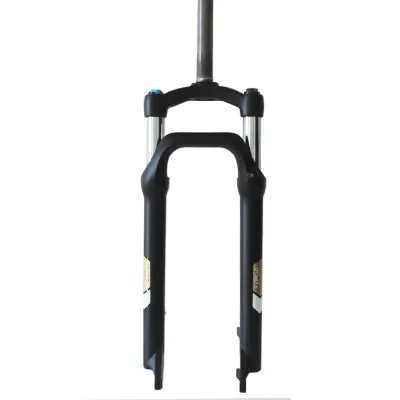


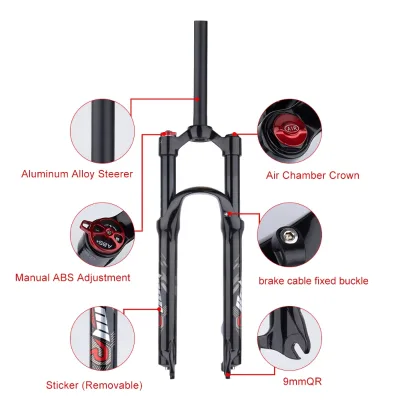
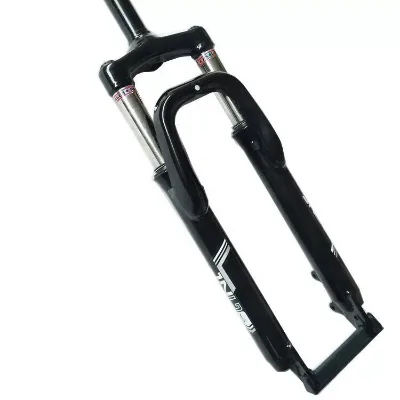


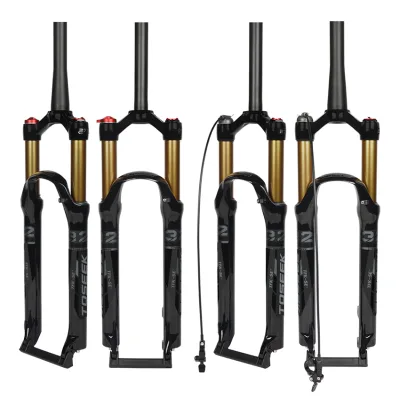




Comprehensive Sourcing Guide
Mountain Bike Bicycle Suspension Fork Sourcing Guide
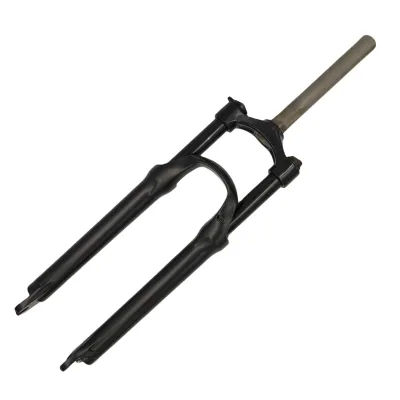
Buyers must first distinguish between the specific fork types available in the current market, as listings indicate a split between spring and air suspension technologies. The observed data confirms the presence of models designed for mountain bikes, with some entries explicitly labeled as "Oil and Gas Fork" or "Spring Fork," while others utilize air suspension mechanisms. This distinction is critical because the internal damping and weight characteristics differ significantly, directly impacting the ride quality and suitability for different terrain types.
Procurement teams should also verify the intended application scope, as the product attributes list compatibility with mountain bikes, road bikes, and even kids' bikes. While the core keyword focuses on mountain bike suspension, the supply base includes forks with varying travel lengths, such as 100mm, and different stanchion diameters like 28.6mm. Understanding these variations ensures that the selected component matches the specific frame geometry and riding style of the target customer base, preventing mismatches in performance expectations.
Product Scope and Observed Listing Signals
The market signals reveal a diverse range of product models, including identifiers like HC-PJ-112, HC-PJ-096, and TJ-FK-002, which suggests a fragmented supply chain with multiple manufacturers offering similar specifications. Buyers should note that while some listings specify "Customized" paint and colors, others offer standard finishes like black or specific codes such as CH-879. This variability requires a clear definition of branding requirements early in the sourcing process to ensure the final product aligns with the buyer's visual identity and market positioning.
Material composition is another key signal, with listings citing both steel and aluminum/alloy options for various components, including the saddle shell and fork stanchions. The observed size range spans from 20 inches to 29 inches, indicating that suppliers cater to a broad demographic from children to adults. Procurement strategies must account for this breadth by verifying that the specific model selected supports the intended wheel size and that the material choice meets the durability requirements for the expected usage intensity.
Technical Specifications to Verify
Stanchion diameter and travel length are the primary technical parameters that dictate the fork's performance and compatibility with the bicycle frame. The data indicates a specific stanchion size of 28.6mm and a travel length of 100mm for certain models, which are standard metrics for entry-level to mid-range mountain bike applications. Buyers must confirm these exact dimensions against their frame specifications, as even minor deviations can lead to installation failures or compromised handling characteristics during off-road riding.
The stem size and overall weight are also critical verification points, with observed listings noting a stem size of 23mm and a specific weight of 1.72kg for certain units. These figures influence the total weight of the bicycle and the steering response, which are vital for competitive or performance-oriented segments. Sourcing teams should request detailed technical drawings or physical samples to validate that the listed specifications match the actual product, ensuring that the weight and dimensions remain consistent across the entire order batch.
Compliance and Safety Documentation
Certification status is a non-negotiable aspect of the procurement process, with observed listings displaying ISO, BSCI, and CE marks. These certifications indicate that the manufacturer adheres to specific international standards for quality management, social responsibility, and product safety. Buyers should verify the validity of these certificates for the specific models being ordered, as the presence of a certification on one listing does not guarantee that every unit in a large order batch meets the same rigorous compliance criteria.
Safety standards for suspension forks often depend on the specific size and intended use, as noted in the product attributes where standards are described as "depends the size" or "By Customized." This variability requires buyers to explicitly request the relevant safety test reports for the specific model number and size combination they intend to purchase. Relying on general certification claims without verifying the specific test data for the ordered configuration can expose the buyer to liability risks if the product fails under stress or does not meet local regulatory requirements.
Cost Drivers and Commercial Terms
The observed price range of 1 to 280 USD reflects significant variation based on material quality, suspension technology, and customization levels. Air suspension forks and those with custom paint finishes typically command higher prices compared to standard spring forks with basic finishes. Buyers should analyze the cost structure to understand how much of the price is driven by the specific material, such as aluminum alloy versus steel, and the complexity of the customization, ensuring that the budget aligns with the expected performance tier.
Minimum Order Quantity (MOQ) and lead times are also major commercial factors, with observed MOQs ranging from 2 to 1000 units. The wide range suggests that some suppliers offer flexible terms for smaller trials, while others require bulk commitments to maintain production efficiency. Procurement teams must negotiate terms that balance inventory risk with unit cost, considering that higher customization levels or specific certification requirements might necessitate larger order volumes to achieve a viable price point.
Supplier Qualification and Quality Control
Supplier location data points to a concentration of manufacturers in Hebei Xingtai and Mainland China, regions known for their bicycle component manufacturing capabilities. While this concentration offers access to a robust supply chain, it also necessitates rigorous due diligence to ensure that the specific factory has the capacity to maintain consistent quality across different production runs. Buyers should verify the supplier's production history and capacity to handle the specific volume and customization requirements of their order.
Quality control protocols must be established to address the variability observed in product attributes, such as the difference between "Customized" and "Non-Customized" options. Implementing a pre-shipment inspection plan is essential to verify that the physical product matches the agreed specifications regarding weight, material, and finish. This step is particularly important for suspension forks, where internal component quality directly affects safety and longevity, and cannot be fully assessed through visual inspection alone.
Long-Term Procurement Checks
Sustainability and supply chain resilience are critical considerations for long-term partnerships, especially given the reliance on specific raw materials like steel and aluminum. Buyers should assess the supplier's ability to source these materials consistently and their strategies for managing potential disruptions in the supply chain. Establishing a relationship with a supplier who demonstrates stability in material sourcing will help mitigate risks associated with price volatility and production delays.
Continuous performance monitoring is necessary to ensure that the product quality remains consistent over time, particularly as the order volume increases. Buyers should track key performance indicators such as defect rates, delivery timeliness, and the accuracy of customization requests. Regular audits and feedback loops with the supplier will help identify any deviations from the agreed standards early, allowing for corrective actions before they impact the final product's market performance or customer satisfaction.
FAQs
What materials are used for mountain bike suspension forks?
Mountain bike suspension forks are primarily constructed from steel or aluminum alloy materials. Steel options provide durability and cost-effectiveness, while aluminum alloy variants offer lighter weight and corrosion resistance. These material choices ensure structural integrity for various riding conditions and rider preferences.
Can I customize the paint color for these forks?
Yes, customized paint colors are available for these suspension forks. Buyers can request specific color schemes to match their bicycle frames or branding requirements. This customization service allows for personalized aesthetics while maintaining the standard structural specifications and performance characteristics of the fork.
What certifications do these bicycle forks hold?
These bicycle suspension forks hold ISO, CE, and BSCI certifications. These credentials verify compliance with international quality management, safety standards, and social responsibility requirements. Such certifications ensure that the products meet rigorous manufacturing standards and are suitable for global distribution and commercial use.
Which sizes are available for mountain bike forks?
Available sizes include 20, 24, 26, 27.5, and 29-inch options. These dimensions cater to various bicycle types, including kids bikes, mountain bikes, and road bikes. The size selection ensures compatibility with different wheel diameters and frame geometries for optimal riding performance and fit.
What is the typical travel distance for these forks?
The typical travel distance for these suspension forks is 100mm. This travel length provides effective shock absorption for mountain biking and off-road terrain. The 100mm specification balances stability and responsiveness, making it suitable for various trail conditions and rider skill levels.
Are these forks suitable for all ages?
Yes, these suspension forks are designed for use by all ages. They accommodate various bicycle types, from kids bikes to adult mountain bikes. The versatile design ensures that riders of different sizes and skill levels can benefit from the suspension performance and safety features.